
Privacy Controls Added JetX Game Protection for UK

Lorem ipsum dolor sit amet consectetur
October 8, 2018Actuele kansen en verrassende bonussen beleef je bij https://madcasino-netherlands.nl voor een unieke gokervaring
September 6, 2026
The addition of sophisticated privacy controls to JetX Game transforms the crash-style gaming scene, especially in how it secures players. Driven by the UK’s strict guidelines, this action establishes a new norm for data security and user control that matters to players worldwide. These are not just boxes ticked for regulators. They demonstrate a basic shift in how a gaming platform can manage user privacy as a central component of its service. By embedding detailed control features right into the user interface, JetX Game allows players control their personal information with a new degree of granularity. This innovative method to privacy converts the platform from a venue to play games into a more protected, more reliable digital realm. It sets an template that other providers, in any nation, might follow.
Comprehending JetX Game’s Core Mechanics
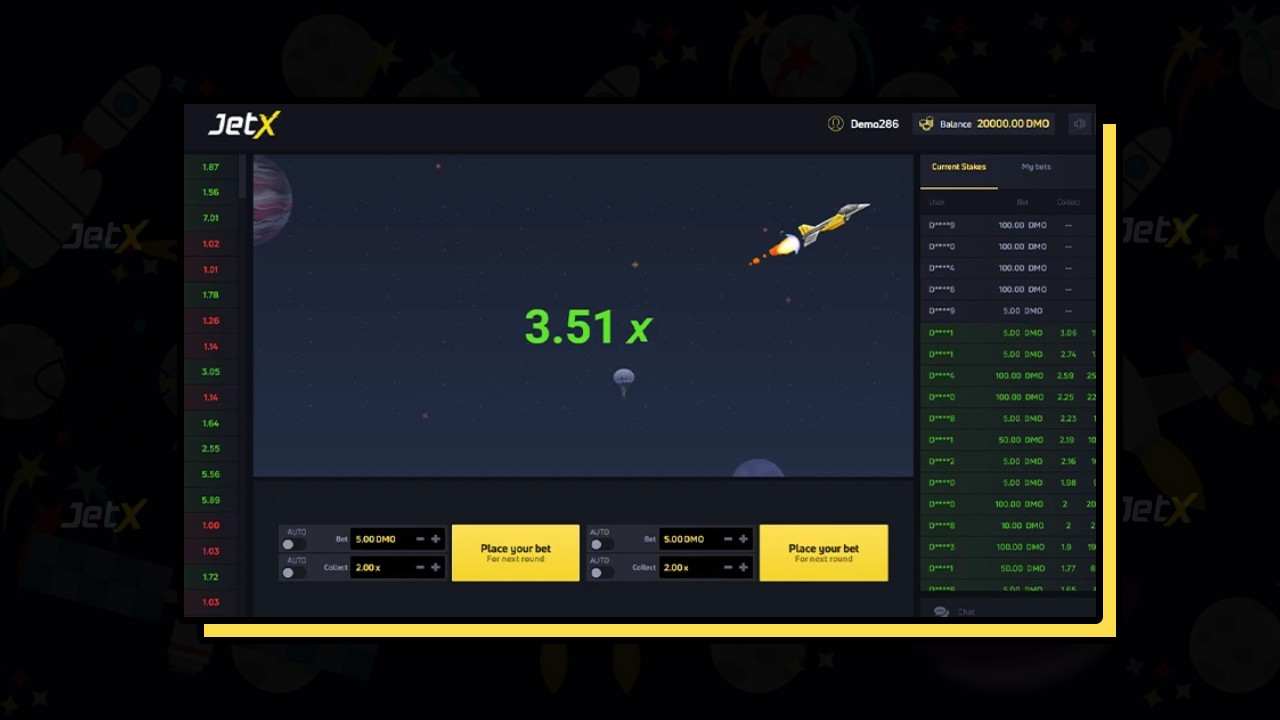
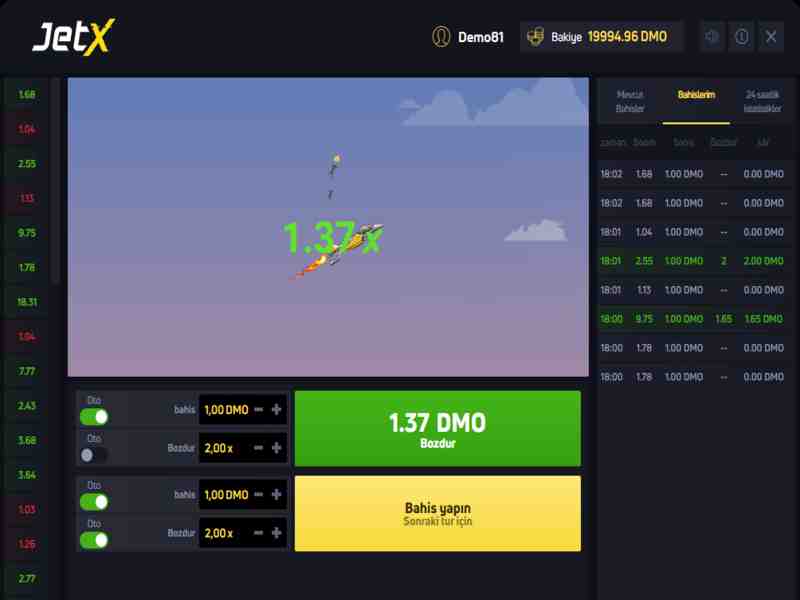
To grasp why the privacy upgrades count, you first have to see what renders JetX Game favored. It functions as a crash-style game. A multiplier starts at 1x and rises. Players must cash out before a random, sudden crash occurs. The tension between risk and reward drives everything, creating a quick and captivating experience. Players bet on each round, viewing a virtual jet ascend higher as the multiplier expands. The trick is to exit before the jet crashes, securing your winnings. This simple, addictive loop has earned fans around the world. The game’s obvious use of random number generation and its public round history are cornerstones of its trustworthiness. That same idea of openness now forms its new privacy setup, guaranteeing that player data gets treated with equal openness and safety.
The Role of RNG and Provably Fair Systems
Trust in JetX Game relies strongly on its use of a certified Random Number Generator (RNG) to decide each round’s crash point https://aviatorscasinos.com/jetx/. This assures every outcome is independent and unlikely to predict, a foundation of fair play. Many sites that feature JetX also implement provably fair technology. This enables players to check the validity of a round’s result after it finishes. That openness builds trust. The new privacy controls work from a parallel idea of enabling users to confirm things for themselves. Just as players can verify game fairness, they now have tools to oversee and command their personal data. This connection between game integrity and data integrity builds a unified experience focused on security and trust. It strengthens the platform’s commitment to act ethically and openly.
The importance of improved privacy within gaming
The online gaming sector, notably where real money or cryptocurrency is involved, manages large volumes of sensitive user information. This encompasses everything from payment details to playing habits. Such platforms become attractive targets for hackers. They also confront serious questions about the way they use data and construct profiles of users. Regulators globally, with the UK Gambling Commission and Information Commissioner’s Office taking the lead, have made data protection rules much tougher. The European Union’s General Data Protection Regulation (GDPR) has affected standards worldwide, even beyond Europe. For a game like JetX, which draws an international crowd, satisfying these expectations is not just about following regulations. It is a essential edge in a competitive market. Players today know more about their digital rights. A evident, visible commitment to privacy influences their choice of platform and encourages their return.
In-depth Breakdown of New Privacy Controls
The privacy controls launched for JetX Game are constructed to be thorough and focused on the user. They go much past simple pop-ups about cookies. They offer a multi-level system for data management, handing players definite authority over their information. You typically find these features in a “Privacy Dashboard” or a special part of your account settings. The interface is neat and intuitive. The controls are based on ideas like gathering minimal data, using it only for specified reasons, and giving users access. They convert complicated legal demands into usable, simple tools. This lets players make smart choices about their data without a degree in privacy law. The design shows that real privacy protection is a continuous process directed by the user, not a single switch toggled by the platform.
Fine-grained Consent Management
This feature lets players toggle certain categories of data processing on or off individually. You are not required into a single “accept all” or “reject all” decision. Users can agree to essential operational data, like storing transaction records for regulators, while declining non-essential uses. These might include marketing profiles, behavior analysis for personalizing the game, or sharing data with outside companies. Every choice provides a simple explanation of what the data is for, which renders the process more transparent. This detailed approach aligns with the “lawful basis for processing” demanded by rules like the GDPR, where consent must be precise and informed. For someone playing JetX Game, it means you can play the core game while limiting how your gameplay data fuels other projects. It matches the platform’s actions with your own privacy comfort level.
Information Access and Portability Tools
The updated system offers players the ability to see all private information the JetX Game platform keeps about them. A simplified “Data Subject Access Request” (DSAR) process enables this. In many cases, users can just download a comprehensive data report right from their account. This report includes transaction history, login timestamps, game session details, and records of any messages. In line with data portability principles, this data is delivered in a organized, standard format that computers can easily read. It allows players to review their own digital footprint on the platform. If they choose, they can take their data to another service. This extent of openness reveals data collection. It builds deeper trust, because players can verify what information is gathered and check that it is accurate.
Effect on Player Experience and Trust
Incorporating these thorough privacy controls changes the player experience on JetX Game for the best. Trust is the key asset in online gaming, and these features immediately increase it. Players who sense they govern their personal information are likely to engage more deeply and ethically with a platform. Understanding you can review, manage, and erase your data diminishes the imagined risk of taking part. This is notably important in regions like the UK, where player protection rules are strict. The controls also resonate to a emerging generation of gamers who care deeply about who holds their data. By creating these tools into the service, JetX Game sends a message that the player is prioritized. This lifts its reputation above peers who consider privacy as a hassle, helping to retain users longer and polish the platform’s name.
Comparative Analysis with Market Benchmarks
Measured against the wider online and iGaming field, JetX Game’s refreshed privacy model puts it above on player security. Many systems still depend on elementary, sometimes annoying compliance techniques. Consider long privacy policies and mandatory cookie walls that give players little actual control. JetX’s approach of embedding detailed, easy-to-use options right into the account interface is clearly more progressive. A few key points show where these options raise the bar:
- Proactive Choice: JetX asks for active, specific player decisions for different data applications. It does not depend on assumed consent.
- Centralized Interface: Privacy administration is located in the user account as a main feature, not hidden in legal texts. This simplifies to access and use.
- Informative Clarity: Plain, simple language clarifies each option. The objective is to educate players about data handling, not to baffle them.
- Above Regulation: The tools often go beyond what the law strictly requires. Functions including simple data download are appreciated by players, even if not always compulsory.
This advantage is meaningful. It proves that the people behind JetX Game view privacy not as an expense, but as a important part of the offering. This kind of forward-looking thinking will probably pressure other providers, guiding the whole industry toward better data care and user power.
System Implementation and Protection Cooperation
The updated privacy controls are not separate gadgets. They link deeply into JetX Game’s overall technical structure, working effectively with existing security measures. The platform’s base already uses banking-level encryption for money transfers and SSL protocols for data moving across the web. Now, that security extends to how data is stored, processed, and managed based on user choices. The consent system links directly to backend data workflows. So if a player opts out of a specific data use, the system automatically redirects or anonymizes that data flow. Strong authentication and access controls also guard the privacy dashboard itself, stopping anyone from changing your settings without permission. This full integration means the privacy controls are reliable and enforceable, not just ideas on a screen. The technical work ensures stronger privacy does not slow down the game or make it unstable. The result is a smooth, secure experience for the user.
Frequently Asked Questions
Which specific aspects can I adjust using JetX Game’s new privacy settings?
You have granular control over multiple aspects of your data. You can control permission for marketing emails, select whether to allow behavioral analytics and game personalization, govern if your data is shared with third parties for ads, and decide if your gameplay data is used for research. You can also view, download, or request deletion of your personal data history directly from your account dashboard.
Are these privacy changes only for players in the UK?
The upgrades are shaped significantly by UK and EU rules like the GDPR. But platforms that implement this framework generally roll it out to all users playing JetX Game. International players receive the same transparency and control. A global launch makes compliance simpler for the platform and demonstrates a commitment to elevated privacy standards for every player, no matter where they live.
How do I access and use the new privacy dashboard?
The privacy dashboard is located inside your player account area. Log in and go to “Account Settings,” “Privacy,” or a tab with a related name. You will see a clear layout with toggle switches or checkboxes for different data activities. Each one includes a short explanation. Your changes are saved automatically. You can return at any time to update these settings as your preferences change.
Does opting out of data sharing impact my ability to play JetX Game?
Saying no to non-essential data processing, like marketing or analytics, will not prevent you from playing JetX Game. Essential processing for security, fraud prevention, money handling, and regulation must remain active. You can enjoy the full game while limiting additional uses of your data. Your privacy choices should not get in the way of your gameplay.
In what way does this boost security versus just having a strong password?
A strong password protects the access to your account. Privacy controls govern what takes place inside the house after you enter. They limit how your information gets used, cutting risks from internal data slips, profiling, and unwanted sharing with other companies. Using both layers together—access security (passwords, two-factor authentication) and usage security (privacy controls)—builds a more comprehensive, stronger shield around your whole presence on the platform.
